

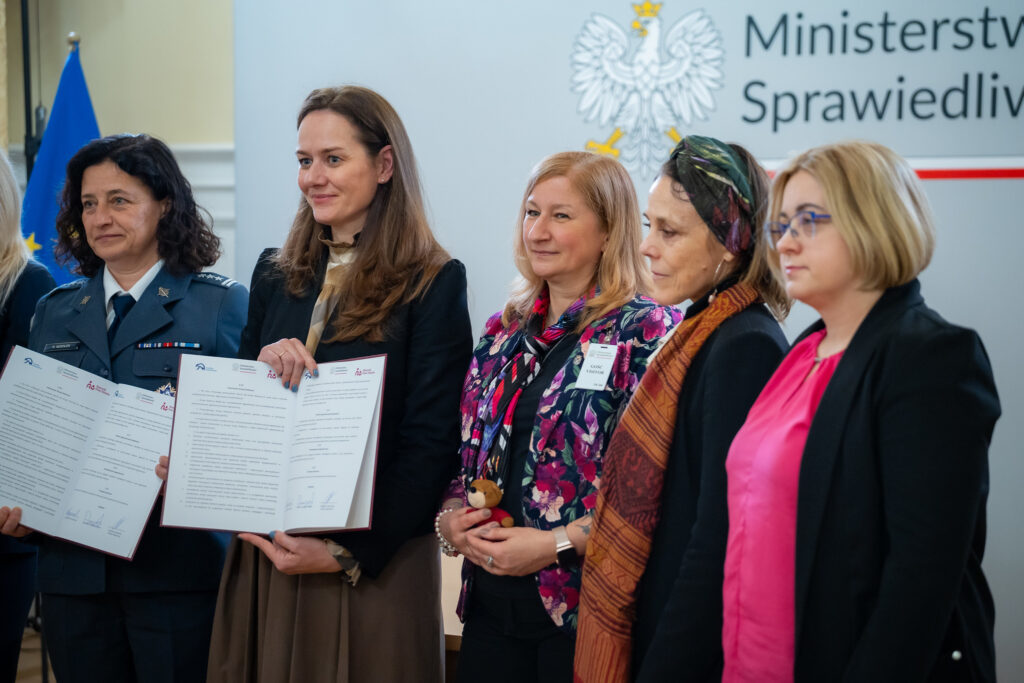
In Poland, more than 90,000 children* are growing up separated from a parent in prison, often without consistent or coordinated support. A new Charter signed on 19 March 2026 in Warsaw aims to change that by placing their needs more firmly on the agenda of public institutions and strengthening the support they receive.
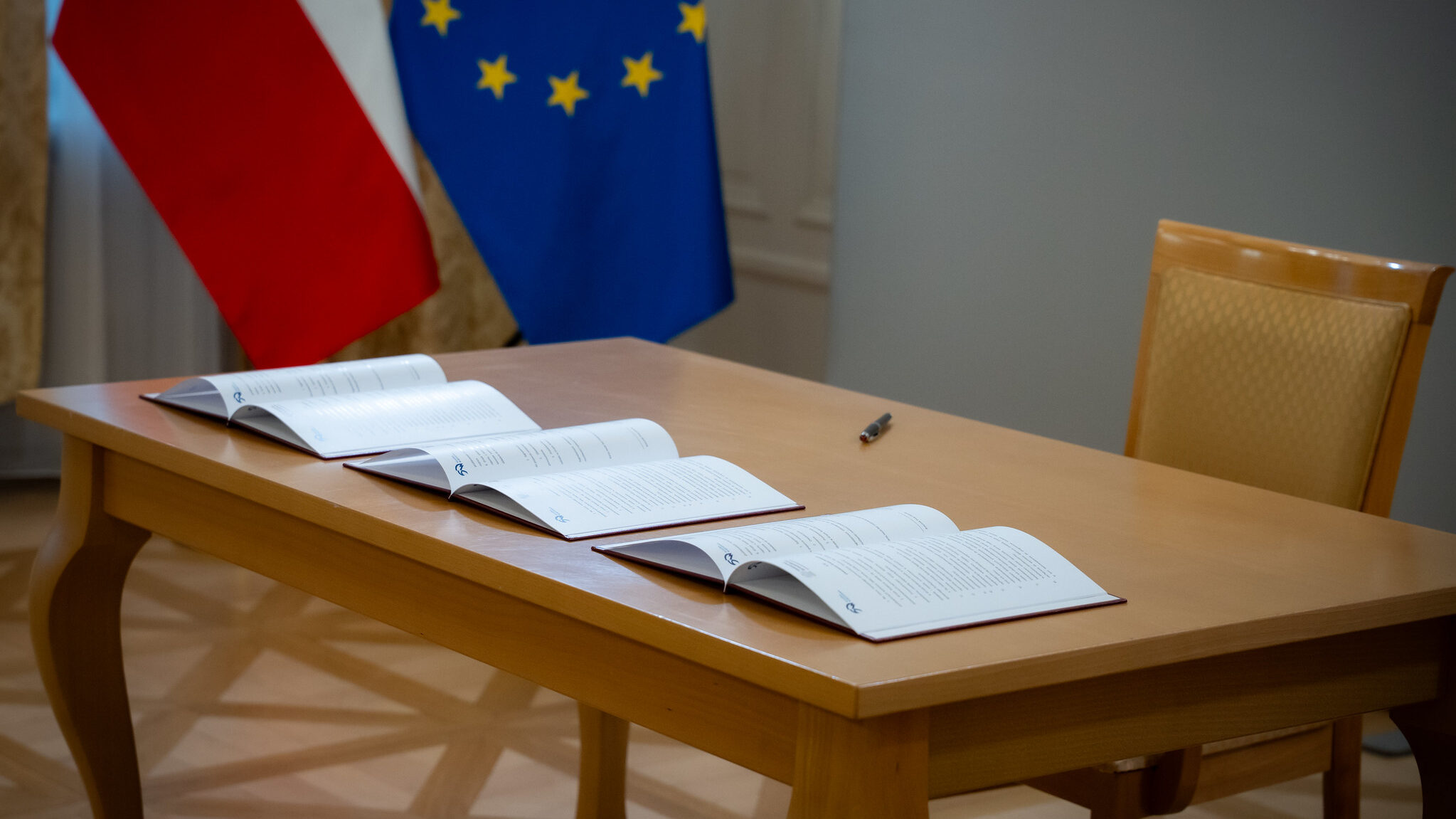
The Charter for the Rights of Children with Parents Deprived of Liberty was formally signed by the Minister of Justice, the Children’s Ombudsperson’s Office and the Prison Service. Established as a Memorandum of Understanding, the Charter reflects a shared commitment to better recognise, respect and support children affected by parental imprisonment.
Inspired in part by the 2014 Italian Memorandum of Understanding for children with imprisoned parents developed by COPE member Bambinisenzasbarre,** the Charter brings together key actors from the justice, prison and child protection sectors and creates a common framework for action. It combines overarching principles with practical measures, while emphasising that no two children experience parental imprisonment in the same way, and that responses should reflect this diversity.
“Today’s ceremony is both symbolic and practical. It sends a clear signal that, as a state and as public institutions, we recognise the needs of one of the most vulnerable groups in society: children with parents in prison,” said Renata Niziołek, Director of the General Prison Service.
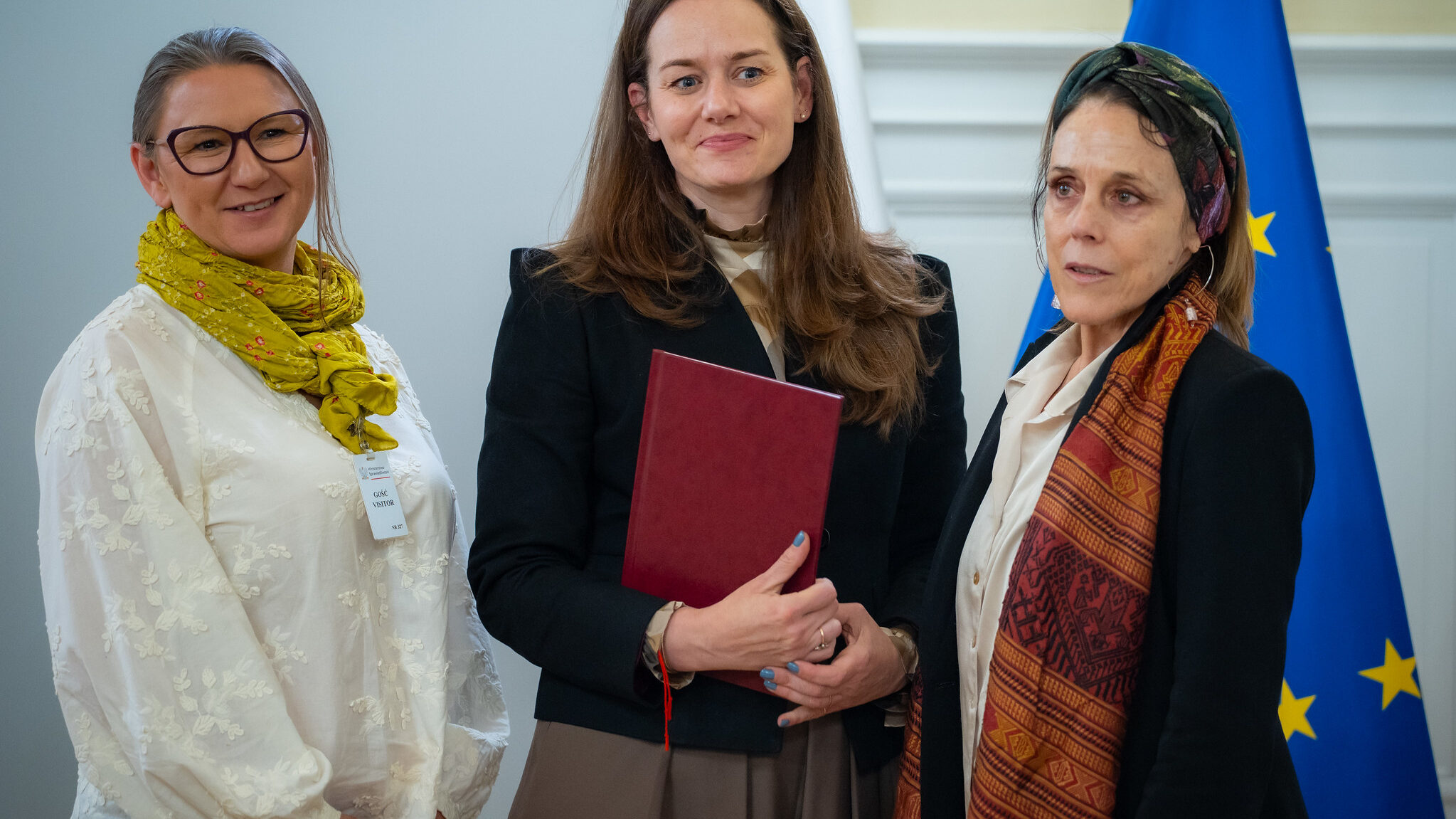
The invitation to the signing of the Charter cited the knowledge, experience and professionalism of COPE experts, with particular regard to that of COPE co-vice president Ewelina Startek, and of Judge Paweł Kaczor. COPE member Probacja Association was also involved in the Charter’s development and acknowledged in its preamble. Children of Prisoners Europe (COPE) was present at the signing, represented by Ewelina Startek and Executive Director Liz Ayre, as was Agnieszka Szeliga – Żywioł of Probacja Association.
Although the Charter is not legally binding, it serves as an important expression of intent by the signatories to cooperate and take action to protect children in what is often a highly vulnerable situation. The document draws on the principles of the UN Convention on the Rights of the Child, particularly the principle that the best interests of the child should guide all decisions affecting them. It aligns with the landmark European policy framework set out in the Council of Europe Recommendation CM/Rec(2018)5 of the Committee of Ministers to member States concerning children with imprisoned parents.
The Charter is open to endorsement by other non-governmental organisations that share its goals and approach. Expanding its support base is expected to strengthen its social legitimacy and help ensure that the measures it promotes are both practical and effective.
What happens next?
The next phase will focus on promoting the Charter among organisations working in the field of children’s rights. A Working Group to take the Charter forward will bring together the signatories and relevant experts to monitor implementation, support related initiatives and strengthen cooperation between families and institutions, including probation services. The group will also explore how to include the needs of children in the training of prison service staff, with particular attention to their emotional, social and developmental needs. Many of those present at the signing participated in the inaugural session of the Working Group following the signing.
Read more here: https://www.gov.pl/web/sprawiedliwosc/podpisanie-karty-praw-dzieci-rodzicow-pozbawionych-wolnosci
* Estimated number of children separated from an imprisoned parent, based on a parenting rate of 1.3. This estimate is based on total prison population figures from Aebi, M. F. & Cocco, E. (2025), SPACE I – 2024: Council of Europe Annual Penal Statistics – Prison Populations (Council of Europe).
**And subsequently renewed on 10 September 2016, on 20 November 2018 and on 16 December 2021 for 5 years.